




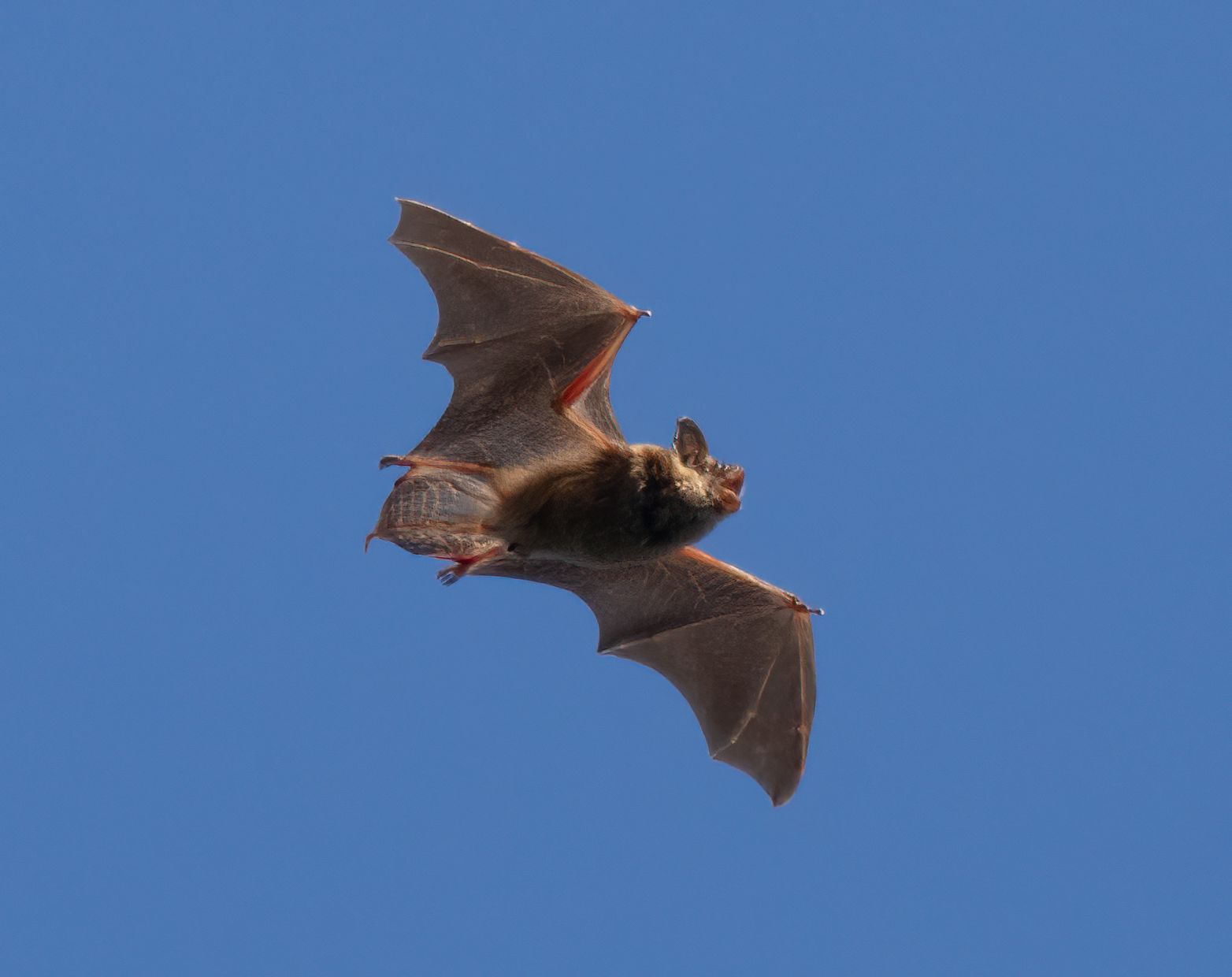
Happy Wildlife Wednesday! We’re in the middle of Bat Week, a time to appreciate and celebrate bats and raise awareness about the need for their conservation. So let’s highlight some of their amazing characteristics and behaviors! *There are more than 1400 species of bats worldwide, living in habitats all over the planet other than extreme desert and polar regions. *Bats are the only mammals that are capable of true flight, and their wings are actually modified hands with 5 elongated digits *Most species of bats use echolocation to navigate and find prey, emitting high-pitched sounds that bounce off objects in the environment. *Bats are primarily nocturnal, spending their nights hunting for food. Most bats in North America eat insects, eating their body weight in bugs in a single evening. *Some bats eat fruit, nectar, and pollen, and a handful of species have a diet that consists of small animals and blood. *The tiny bumblebee bat weighs less than a penny, while flying foxes are quite large, with a wingspan approaching 6 feet. *When not flying, bats roost by hanging upside down from their feet. Their tendons lock their claws around a perch, requiring no muscle energy to be spent. The hanging position allows them to achieve quick flight, simply by letting go and dropping into the air. Hanging in caves, under bridges, and in tree cavities keeps them hidden and out of reach of daytime predators. *The big brown bat and the little brown bat are the most common species in Ohio. *Bats are threatened by disease such as white-nose syndrome, habitat loss, pesticides and chemical pollutants, collisions with wind turbines, and predation by domestic and feral cats. *Bats are important due to their role as pollinators, for keeping insect populations under control, dispersal of fruit seeds, and as inspiration in engineering (biomimicry). Ways to help bats include installing bat houses in your yard, planting native and night-blooming flowers, turning off outdoor lights to reduce light pollution, limiting chemical use, and supporting conservation organizations. Written by Michelle Leighty, TWC Environmental Education Specialist
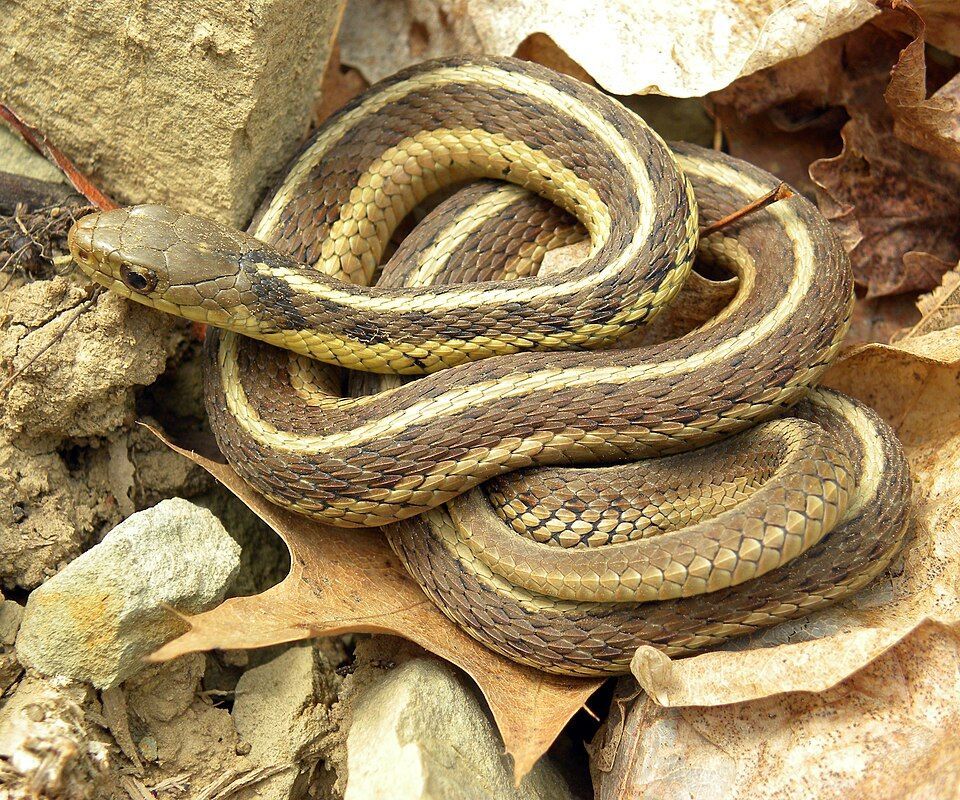
Happy #WildlifeWednesday! The recent warm sunny weather has made reptiles extra active and many snakes have been spotted sunning themselves on the trails! They need to catch some rays while they can, as the approaching weeks will lead to temperatures that are too cold for them. Have you ever seen a snake in the winter in Ohio, slithering through the snow? Probably not. So where do they go? Reptiles like this garter snake will enter a state of dormancy called “brumation.” Brumation is similar to hibernation in mammals, but with a few differences. Reptiles do not build up fat stores the way mammals do for hibernation. Instead they increase the amount of glycogen (sugar) in their system, which keeps their muscles in good condition so that they are ready to move when spring comes. Their brumation site should be close to water, as they will periodically get up during the winter to drink. While they do need to keep hydrated, their metabolic activity is greatly decreased causing them to move sluggishly, and they do not need to eat. In fact, if they consume too much before winter it can be dangerous because they cannot digest the food quickly in the cold and their stomach contents could rot. Some snakes brumate alone in their dens, while others such as the garter will engage in communal brumation, spending the winter in a hibernaculum with a large number of other snakes. Garter snakes are enormously social and will den together both for warmth and the pleasant company. Written by Michelle Leighty, TWC Environmental Education Specialist